
Jeffrey Lind
Founder of AestheticOS. Applied LLMs to civil engineering and won a $2.5m research grant. Saved PlastiExports $18,500/year in labor. Cut a jet's avionics weight 40% and parachute cost 70%.
AestheticOS Website
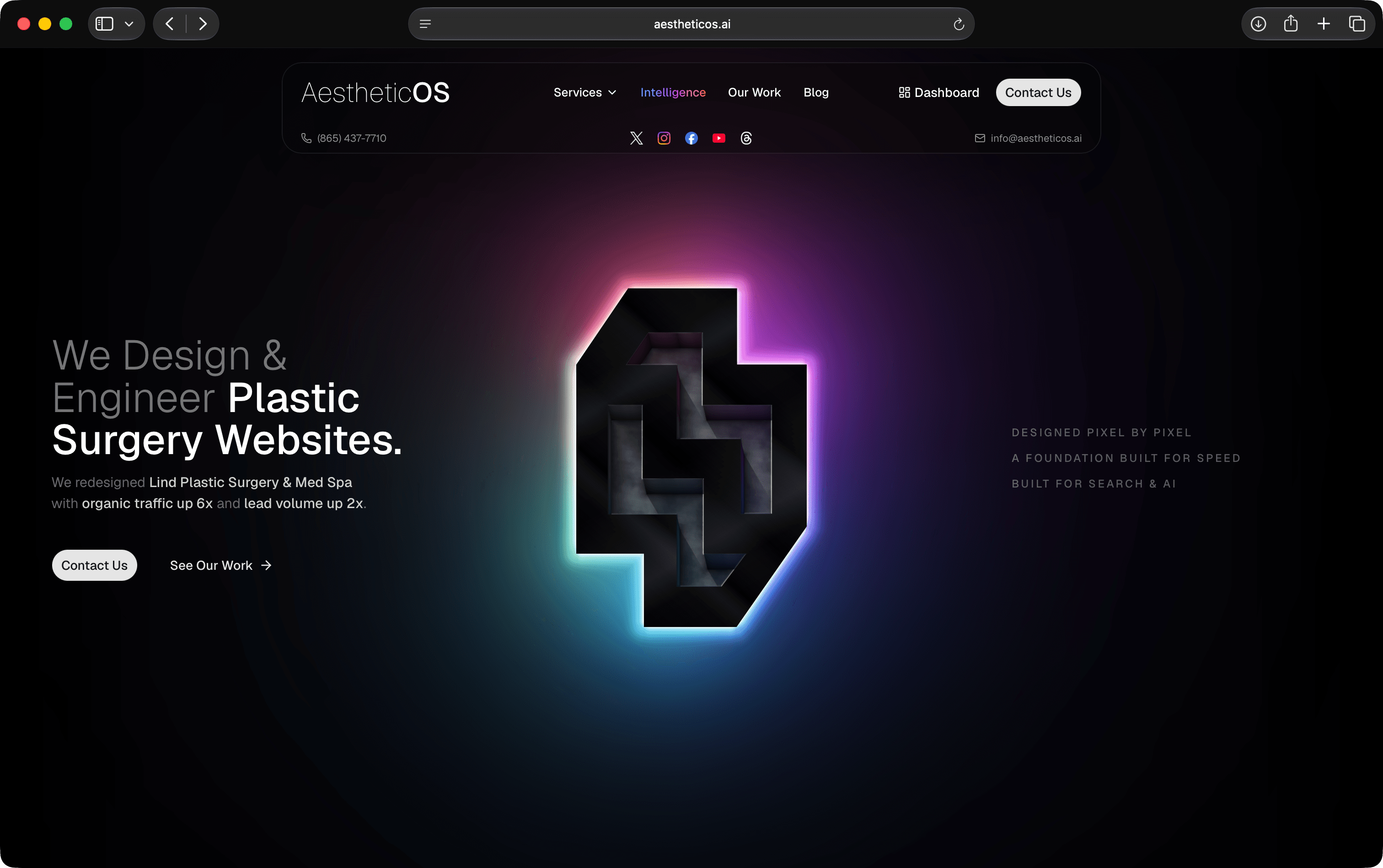
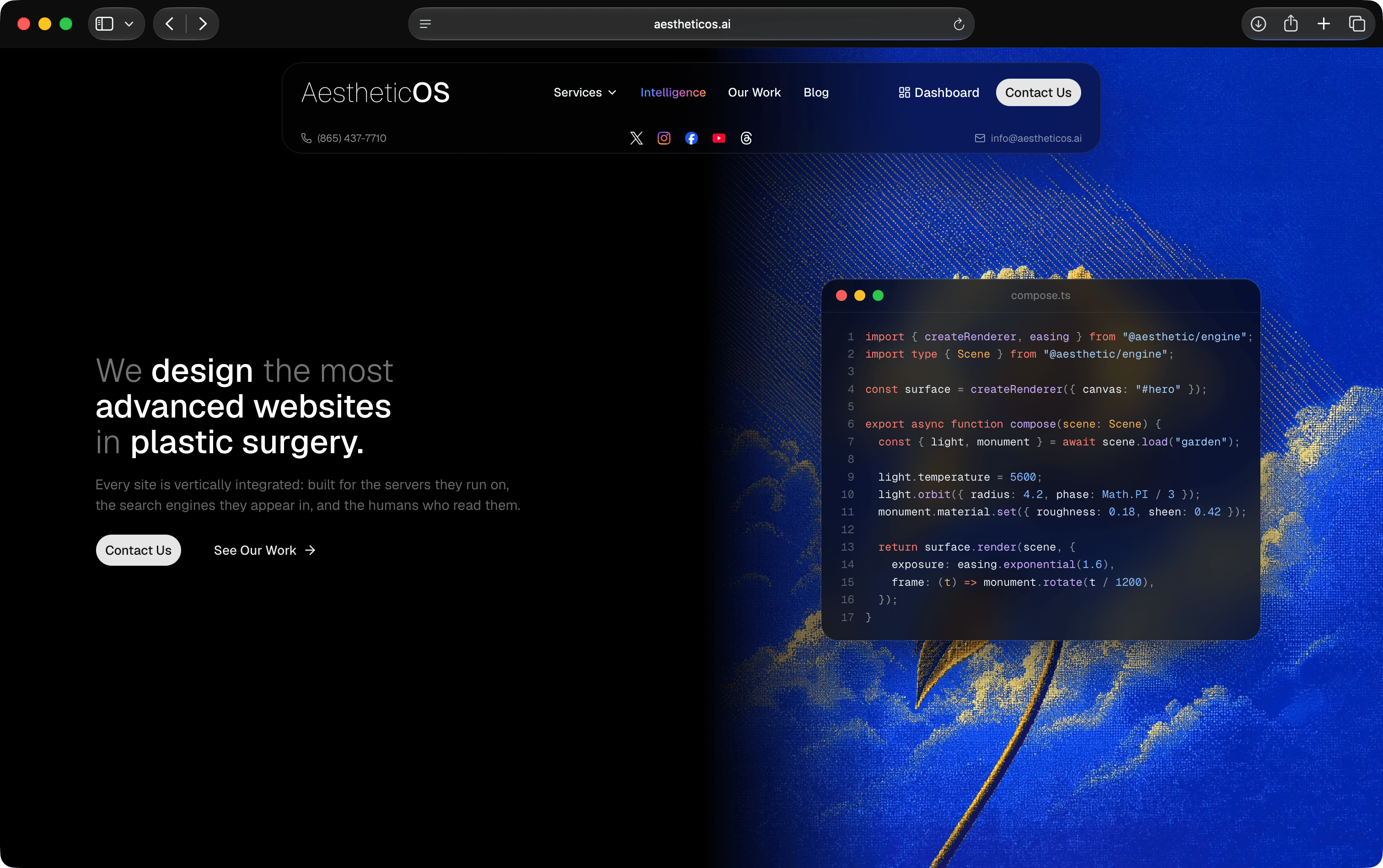

AestheticOS's site is built end to end in Next.js, with WebGL fragment shaders and Motion animation sequences. aestheticos.ai
Weston Center for Plastic Surgery
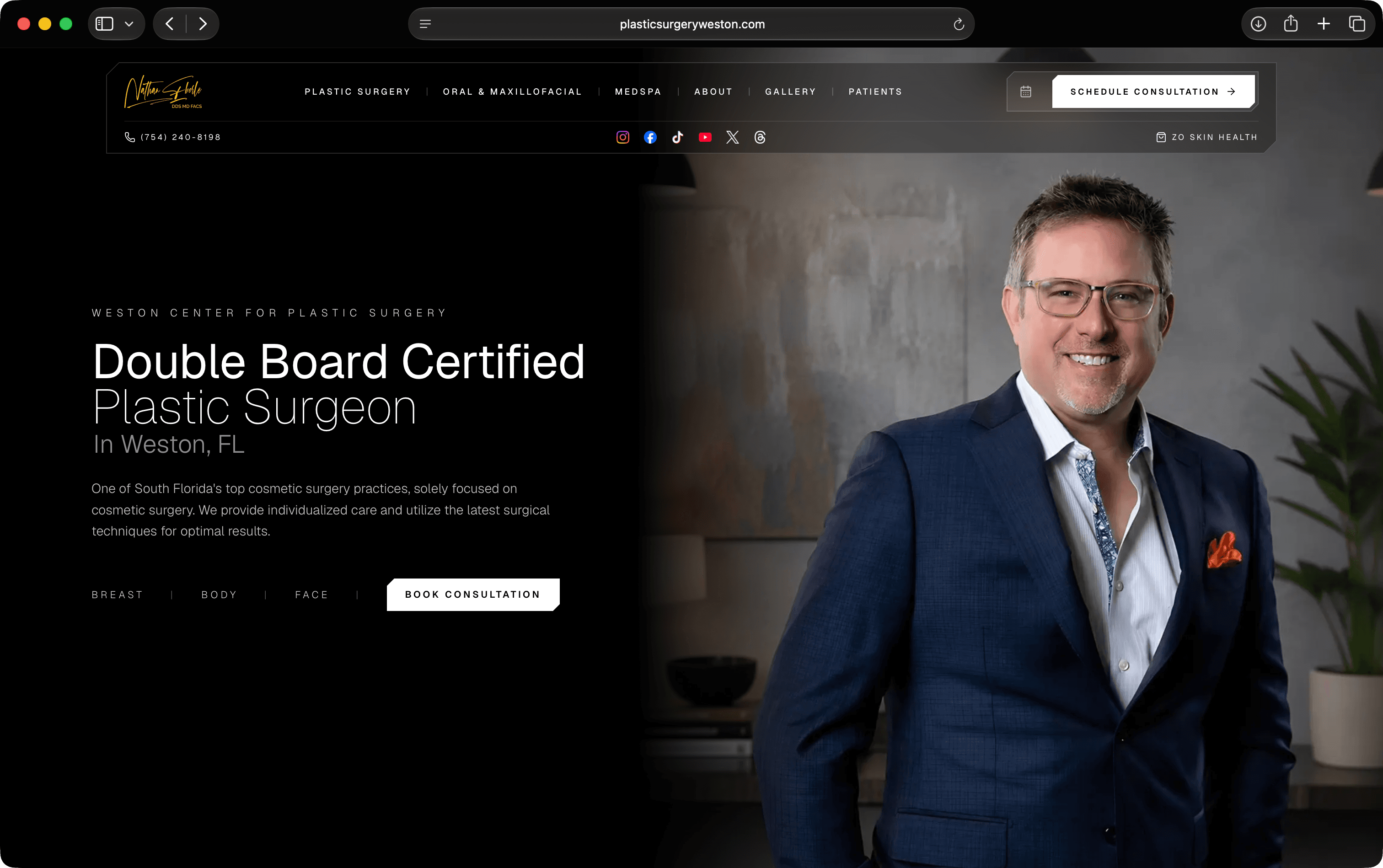
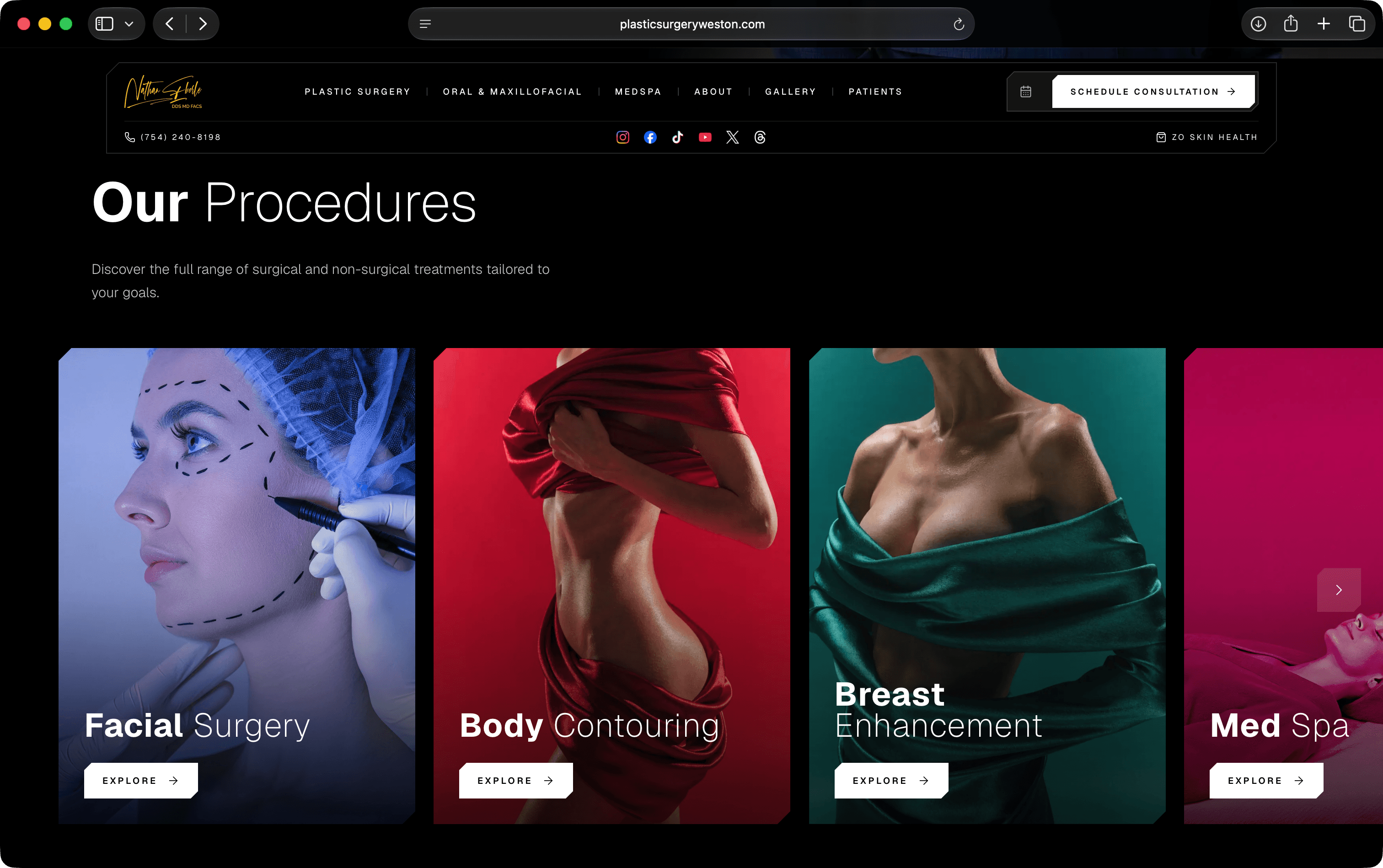
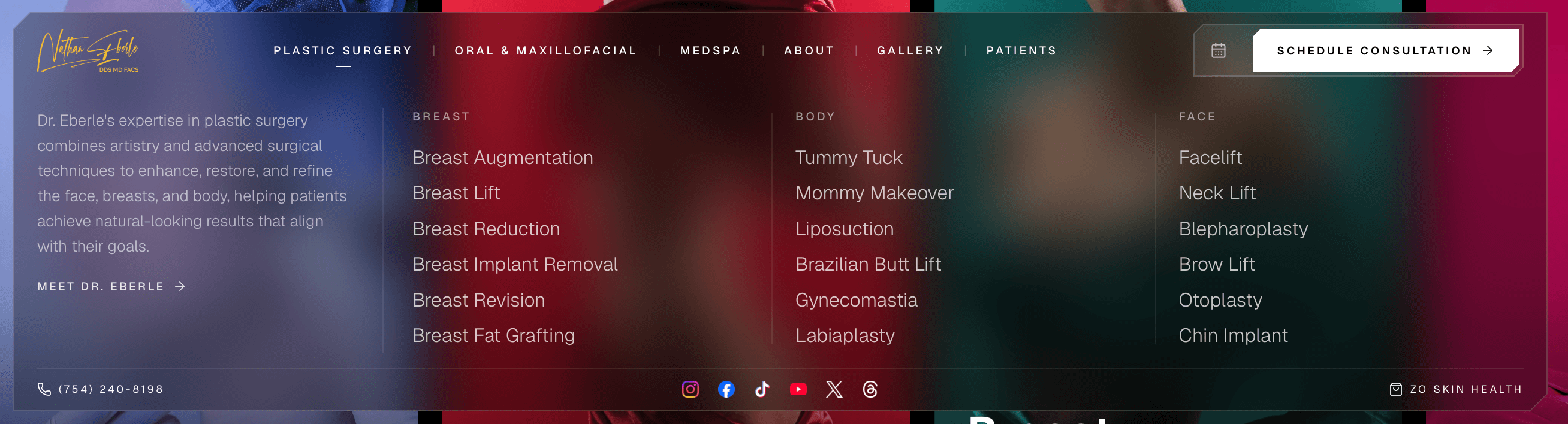
Full rebuild of the practice site in Next.js. Load time dropped from 7.0s to 0.6s, and 15 target keywords hit #1 on Google within weeks of launch. plasticsurgeryweston.com
Lind Plastic Surgery & Med Spa
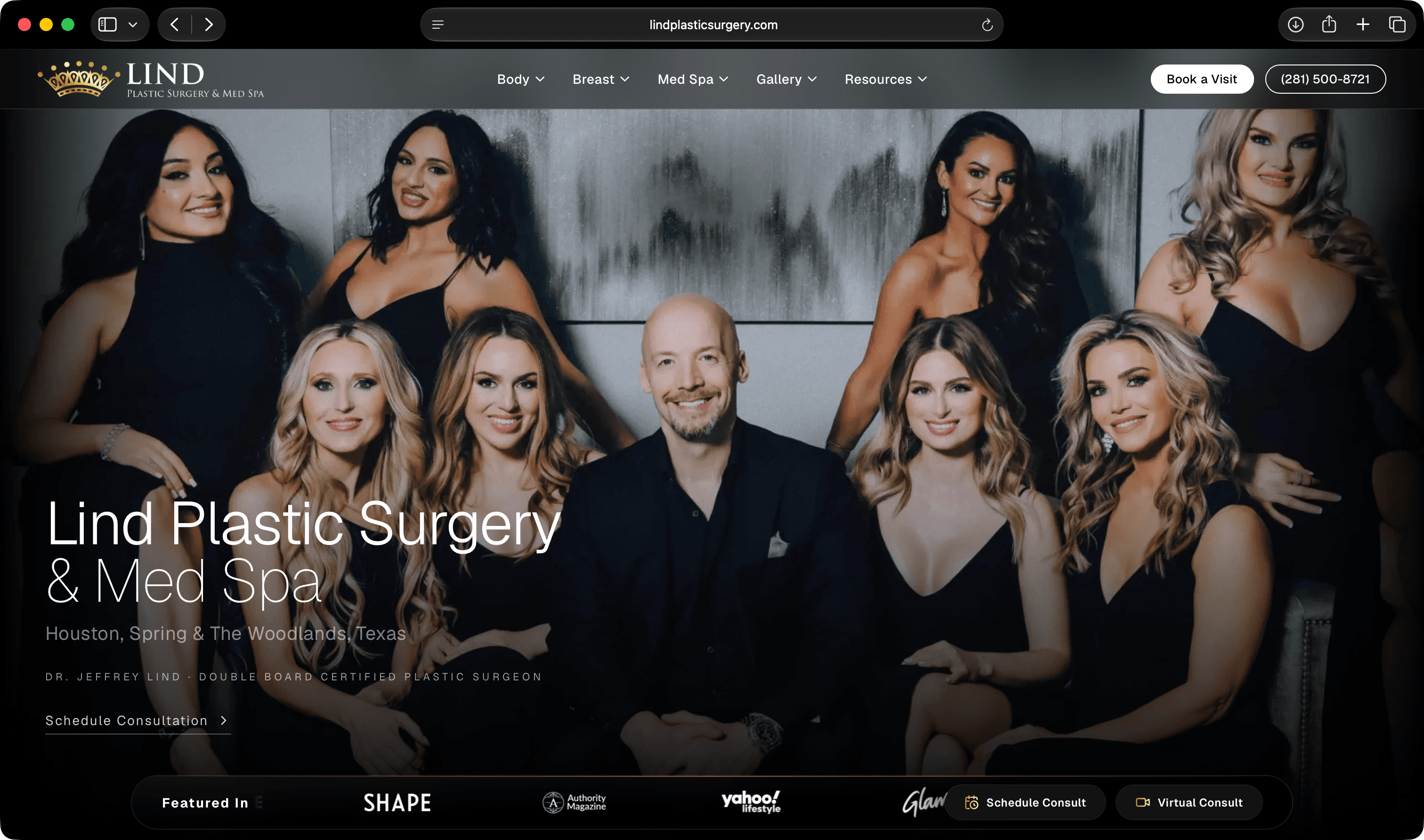
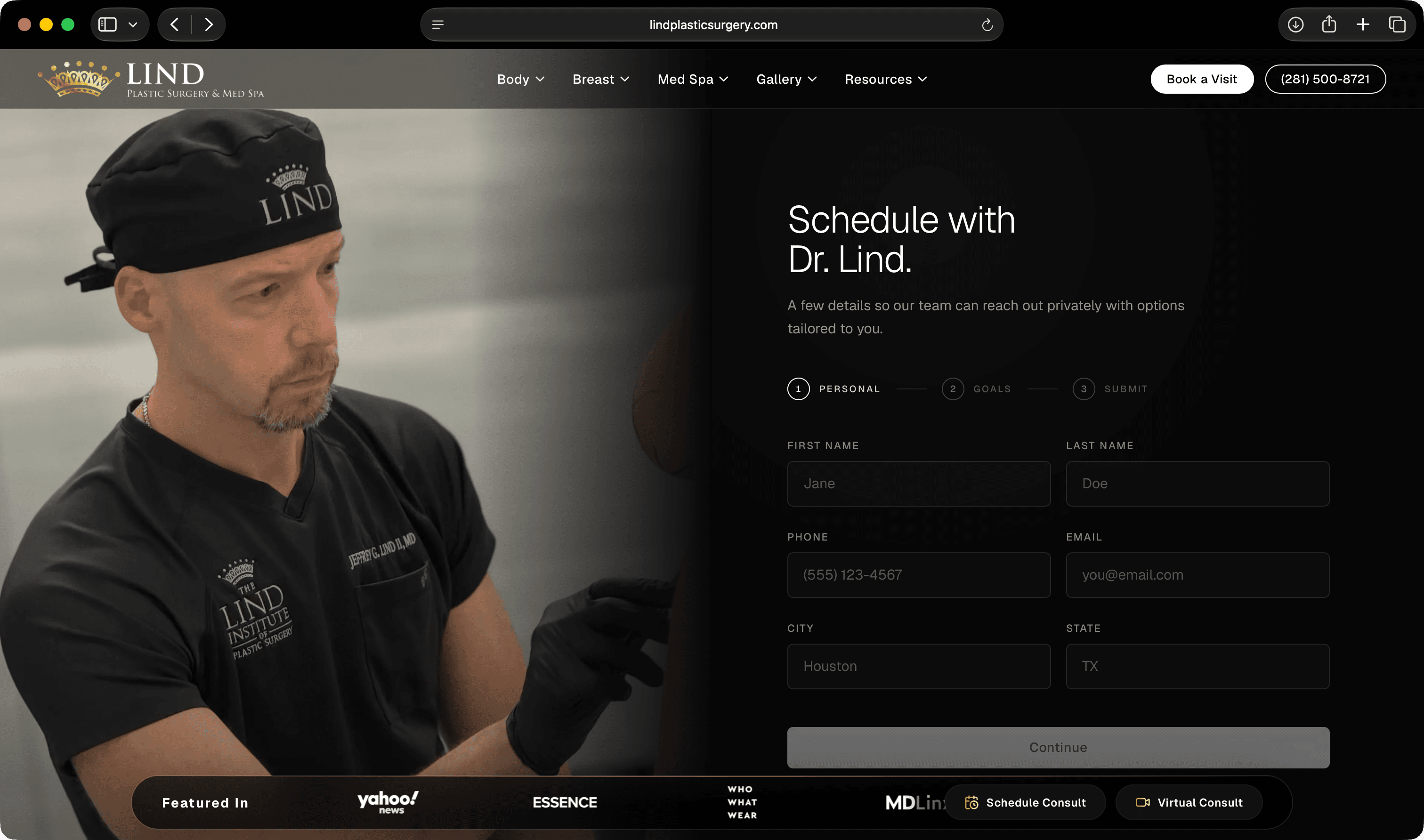
Ground-up redesign of the practice site in Next.js, spanning about 280 routes and 97,000 lines of TypeScript. 6x organic traffic and 2x lead volume vs. the prior site.
BMI088 Breakout Board
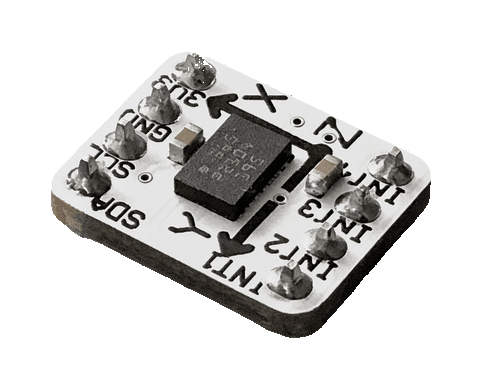
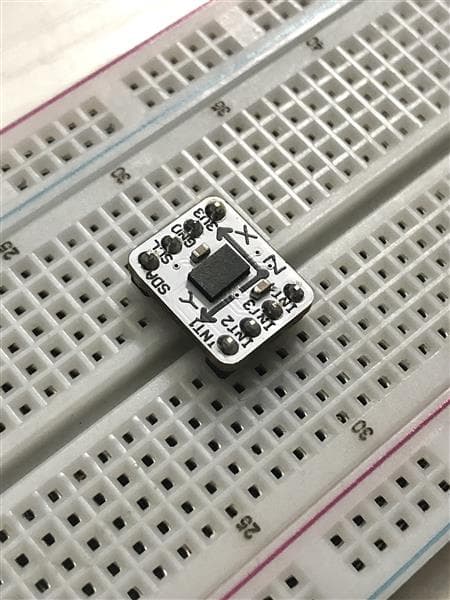
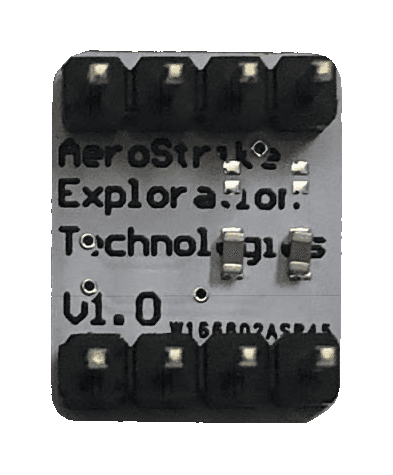
Bosch BMI088 IMU breakout designed in Altium and sold commercially. Its footprint is 3.8x smaller than the average competing breakout, and at $12.89 it sold for 1.4x less than the market average. github.com
Ψ Lab
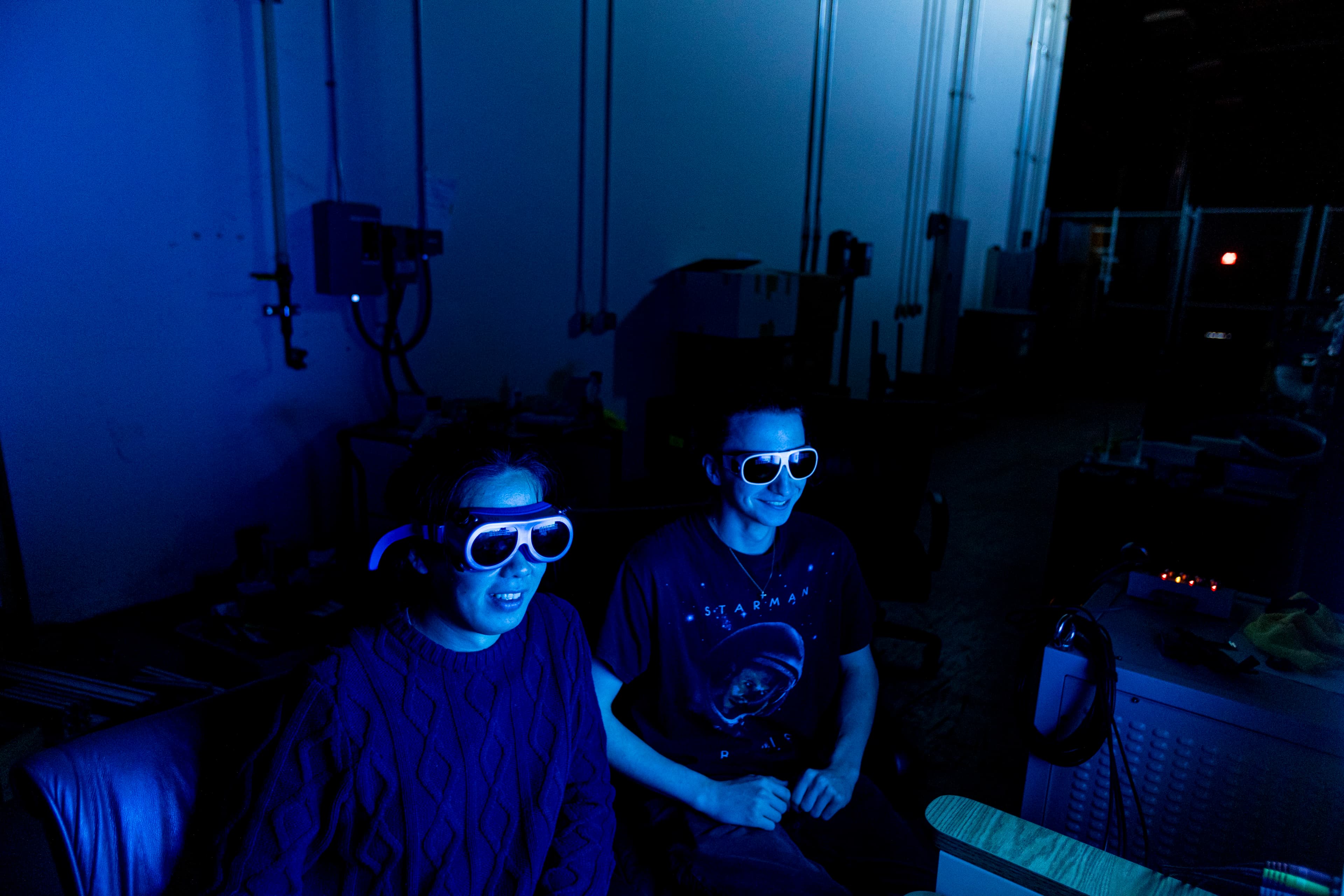
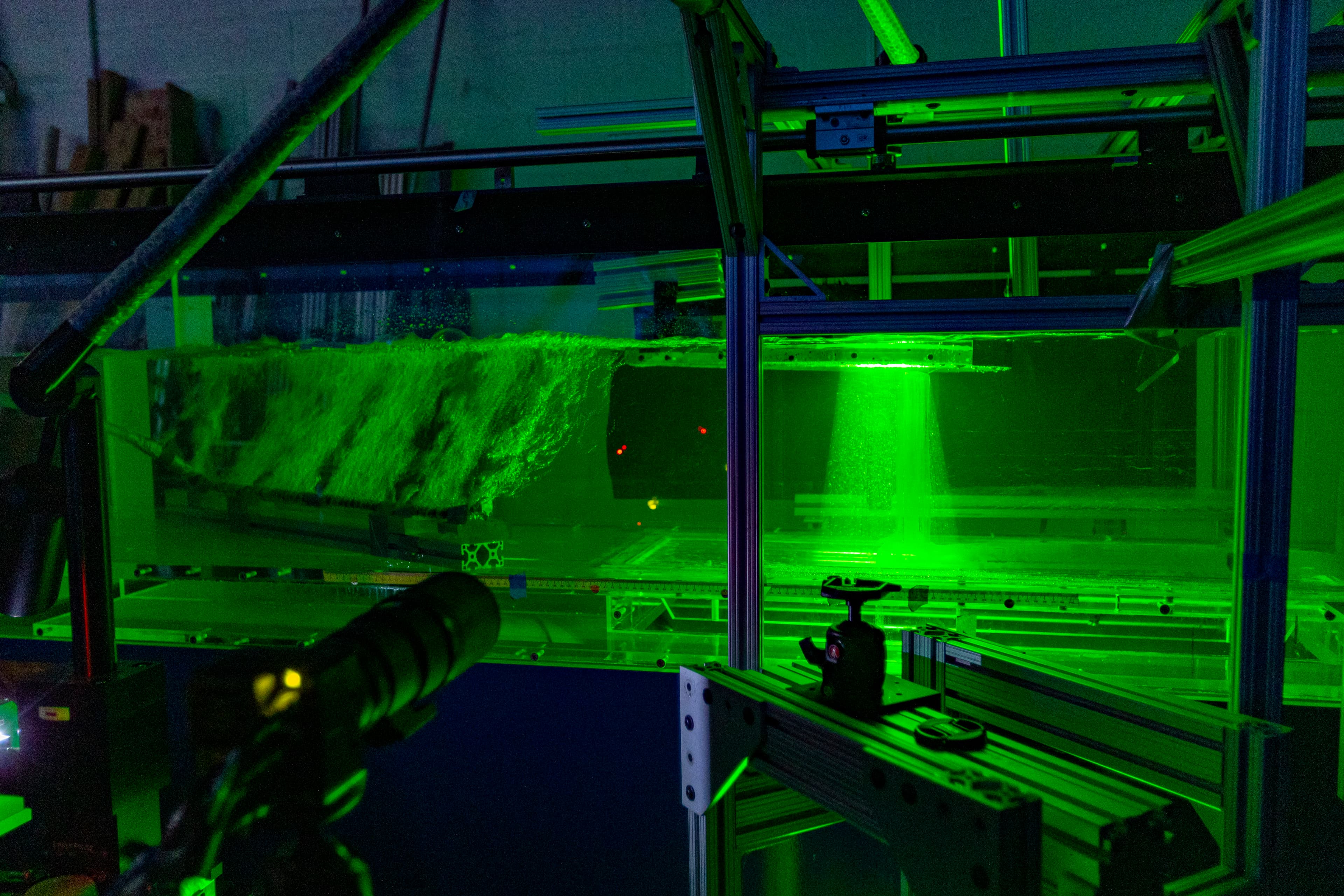
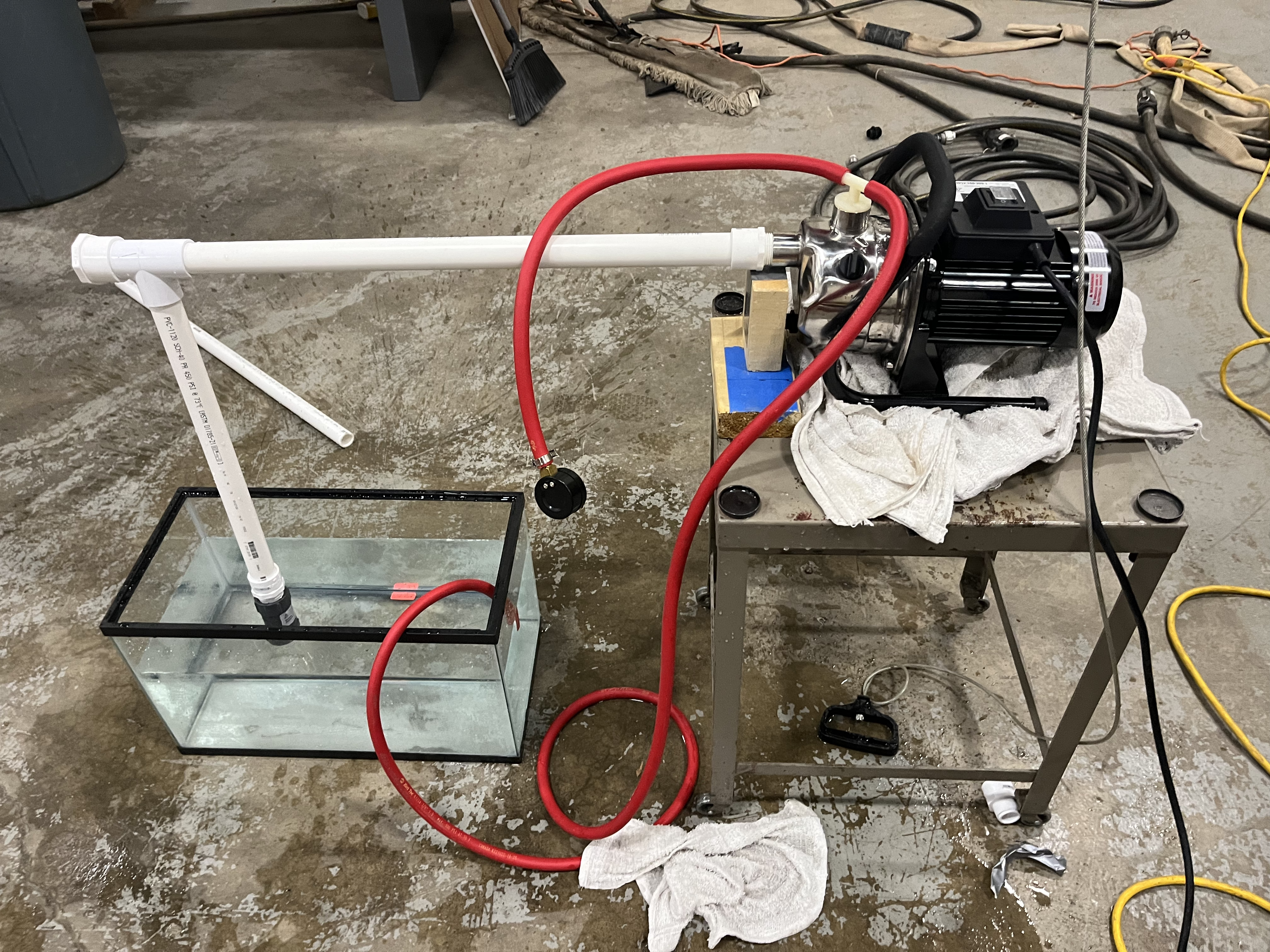
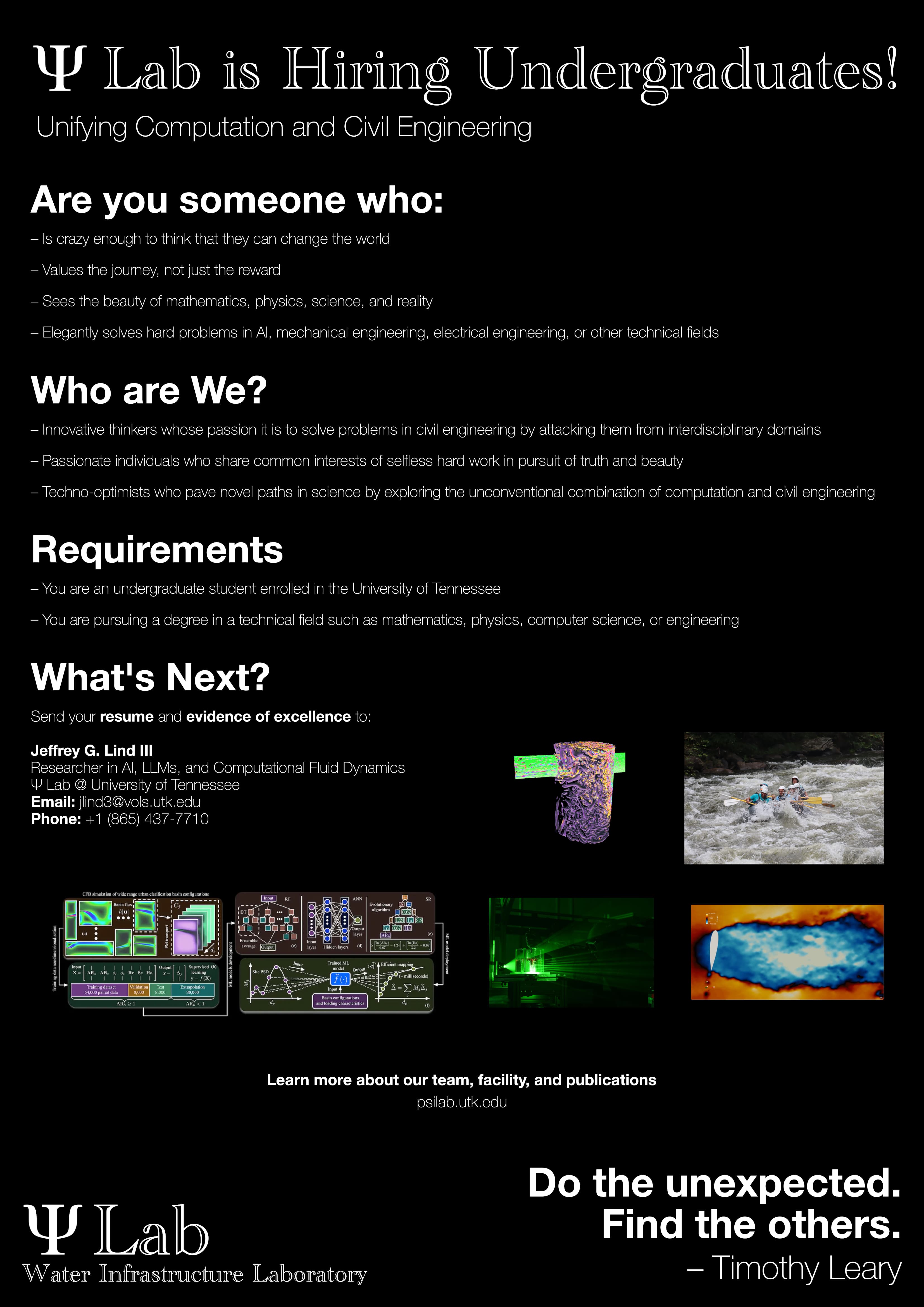
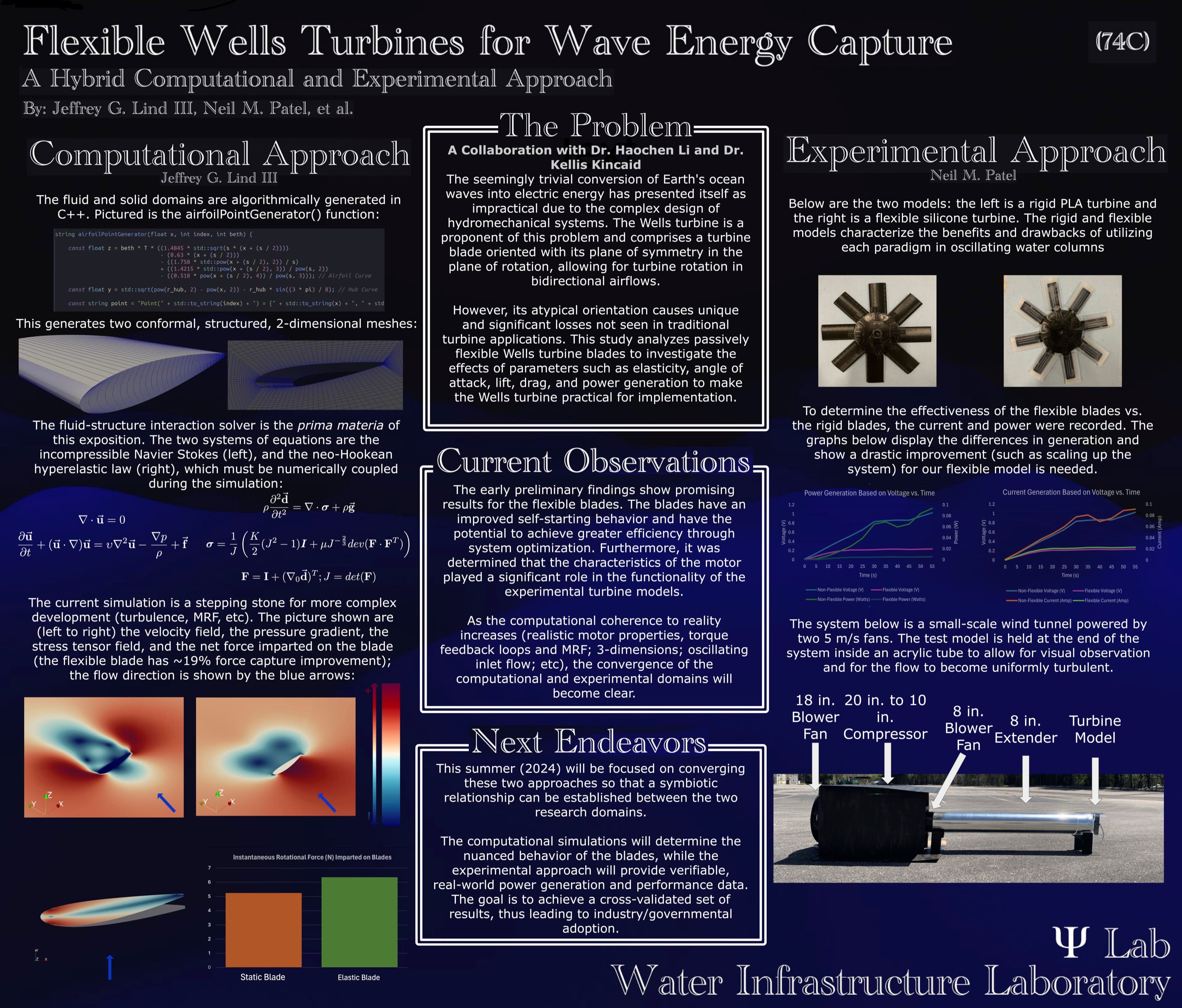
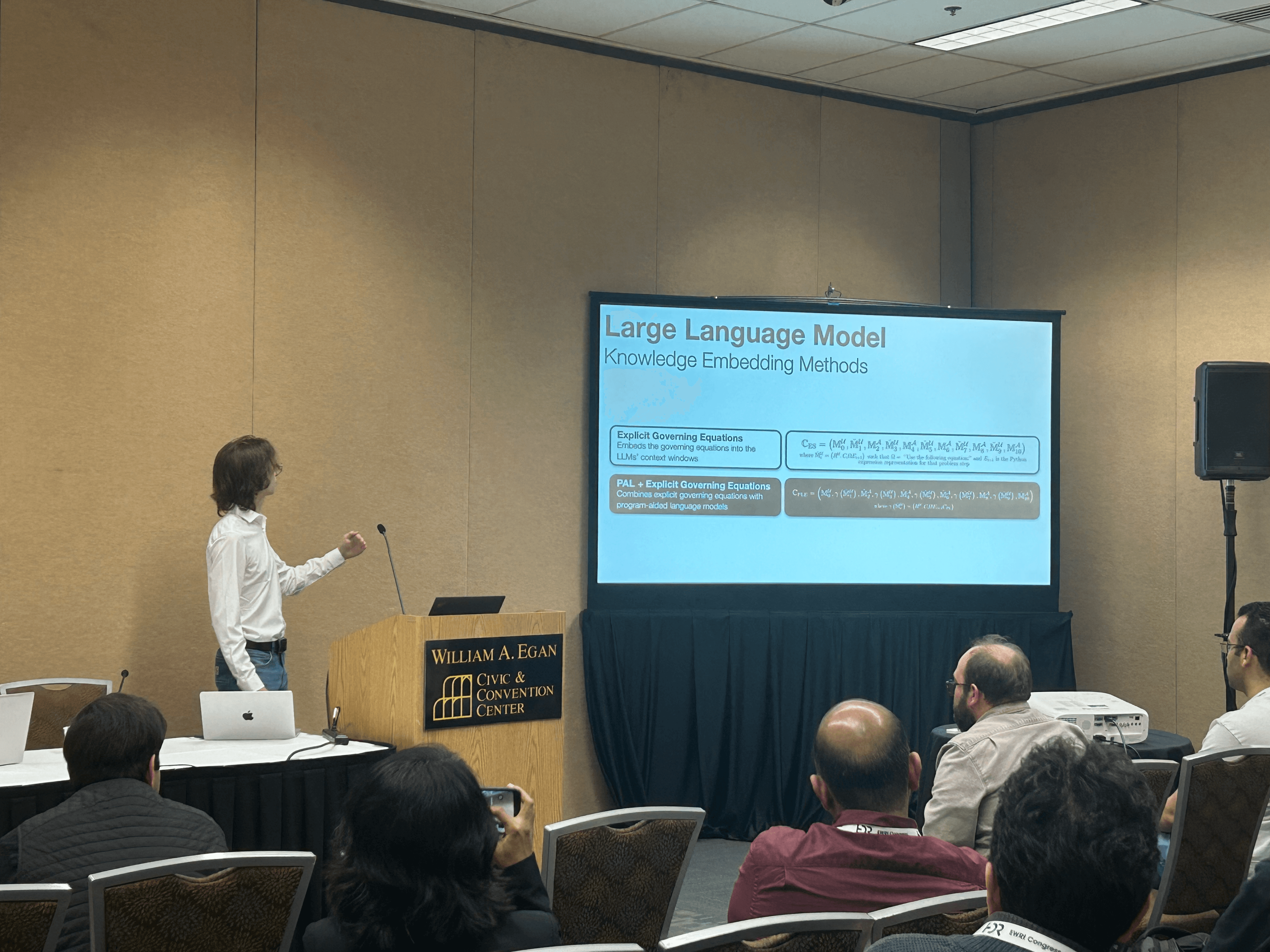
Flume PIV and nanobubble hardware, turbine-blade testing, and talks at EURēCA 2024, CEE Seminar 2024 at UTK, and EWRI Congress 2025.
EstateSalesList.com
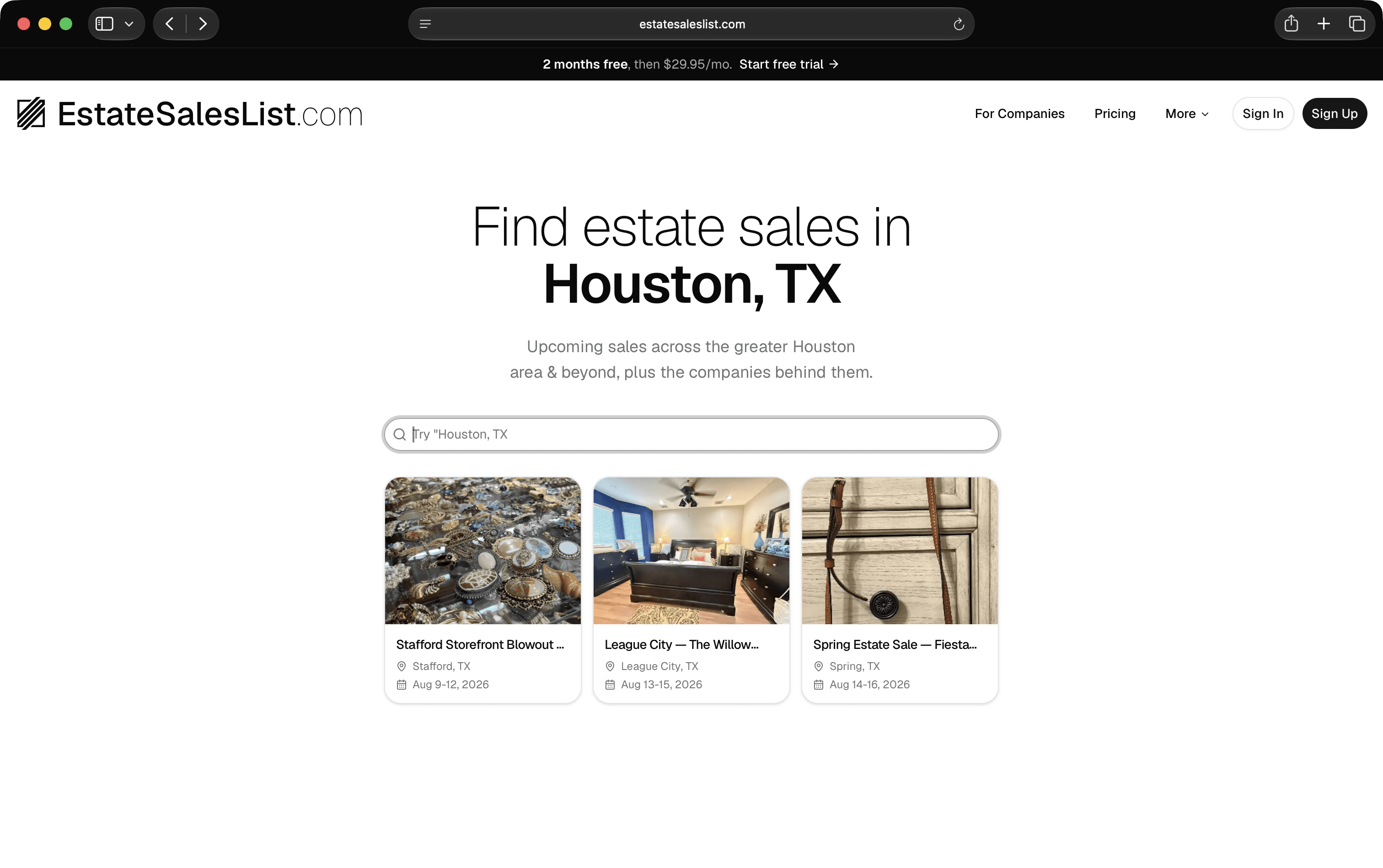
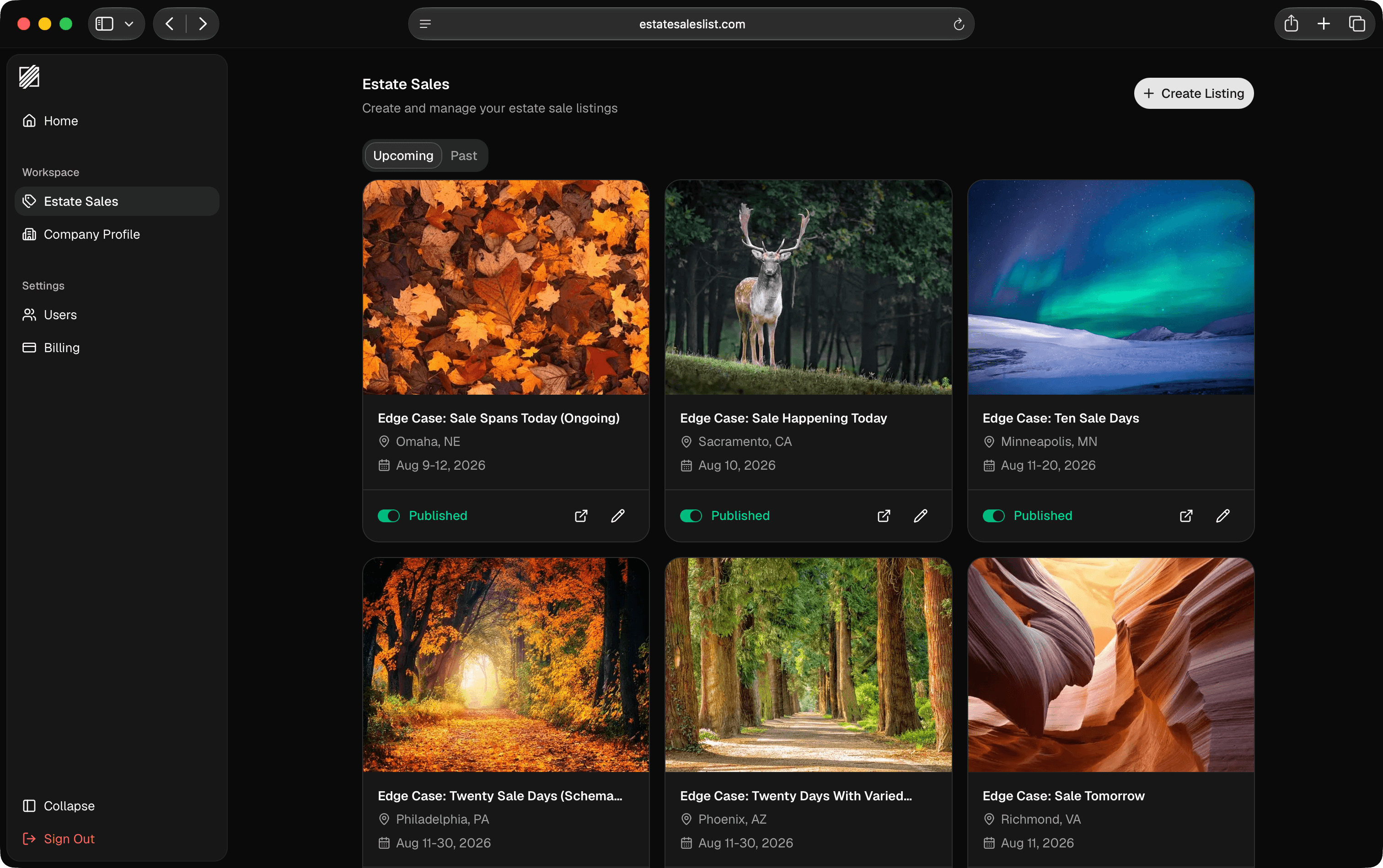
A directory where estate sale companies get found and buyers find sales worth driving to. Companies publish profiles and unlimited listings with photos, multi-day schedules, map locations, and service tags. estatesaleslist.com
DeepXFlow
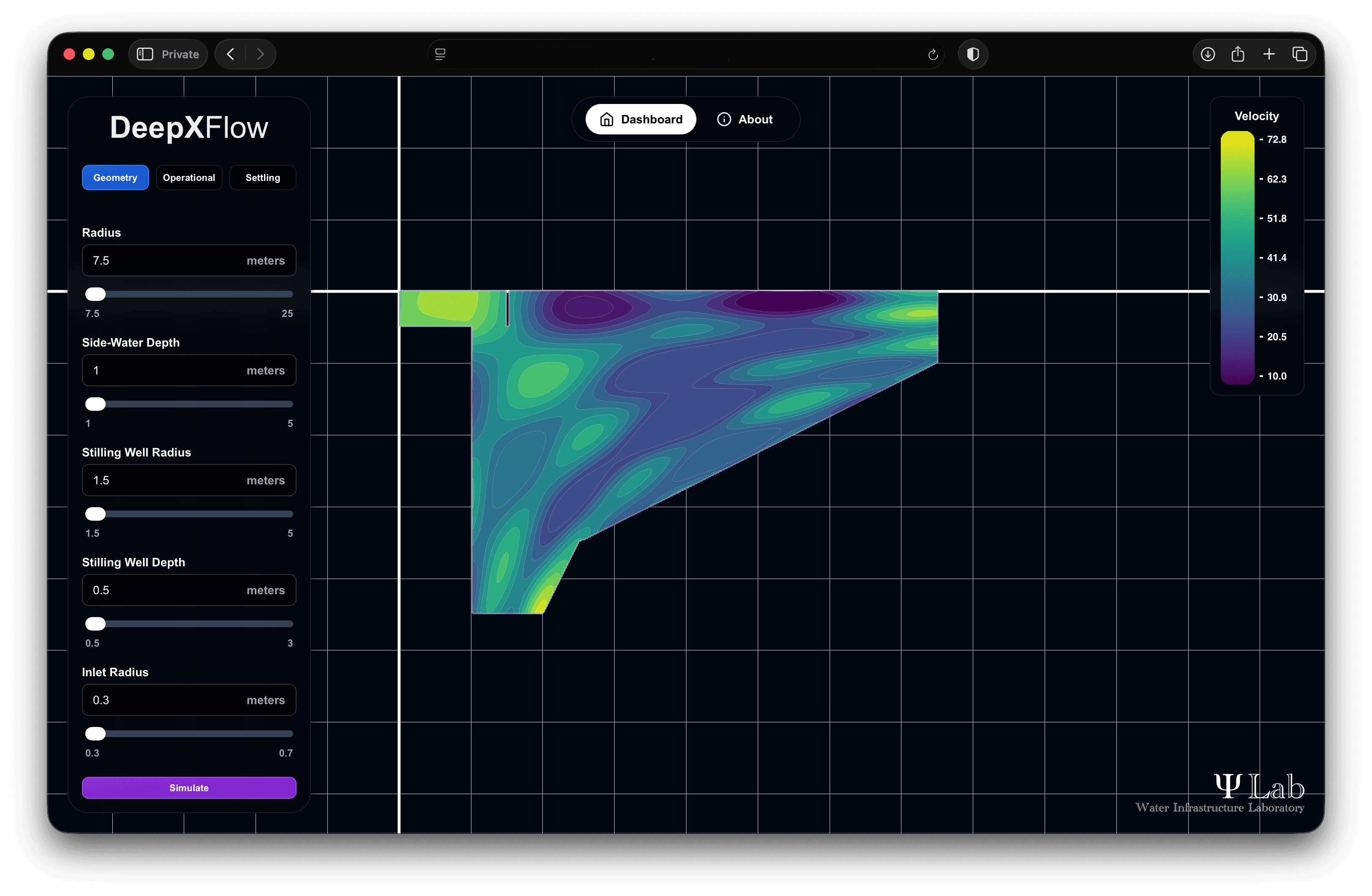
Physics-informed neural net for secondary-clarifier CFD, exported to ONNX with inference running fully client-side. Geometry and process conditions are parameterized, and the velocity field re-solves in real time as they change.
Eagle X
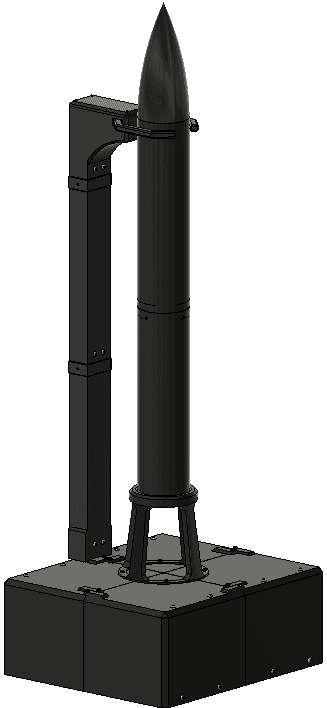
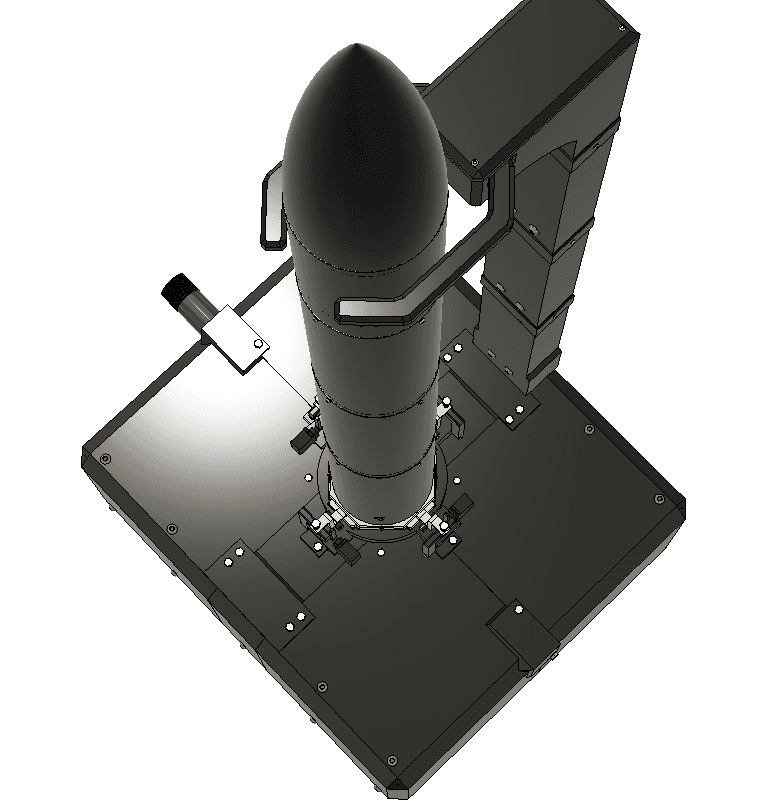
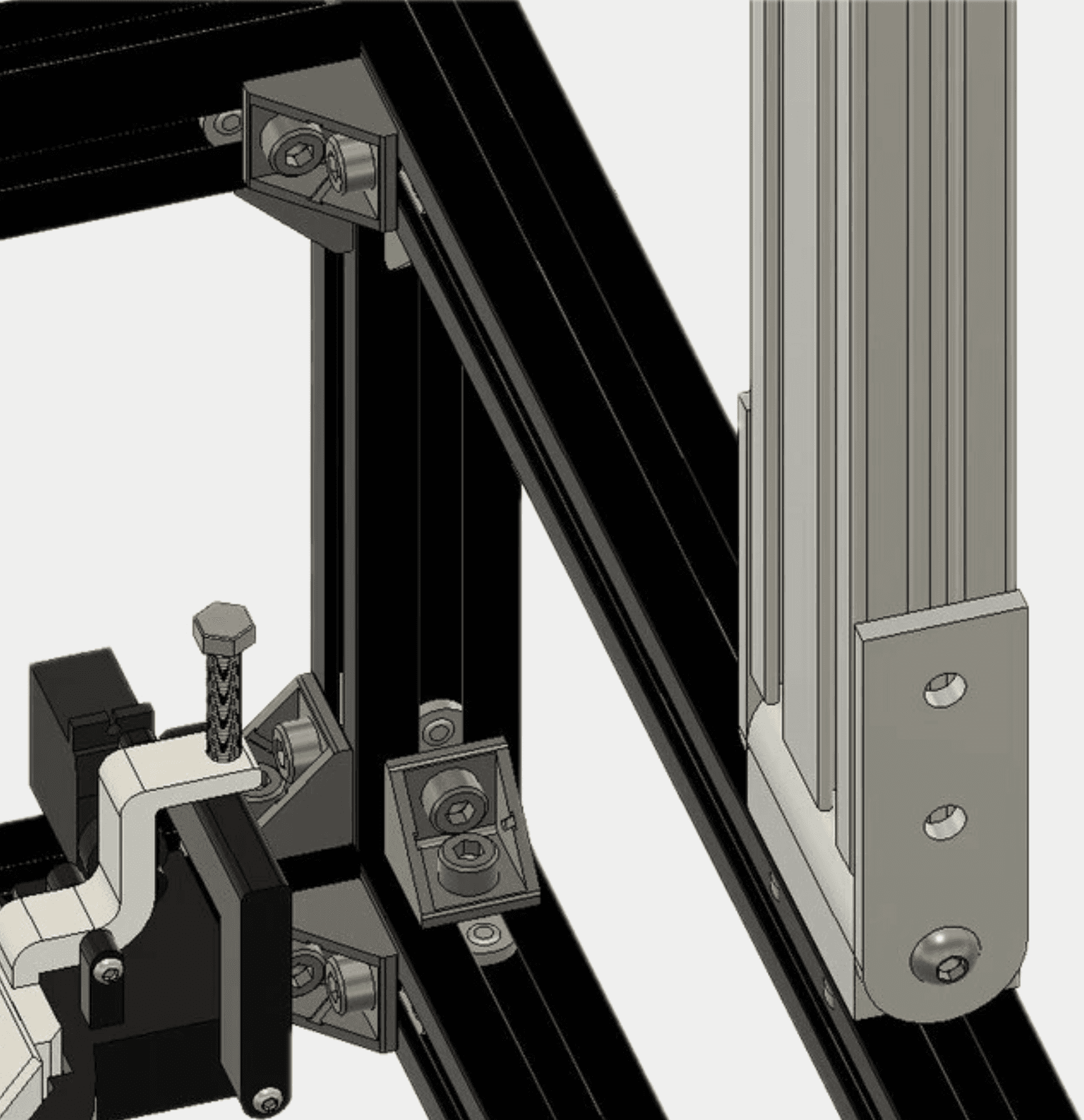
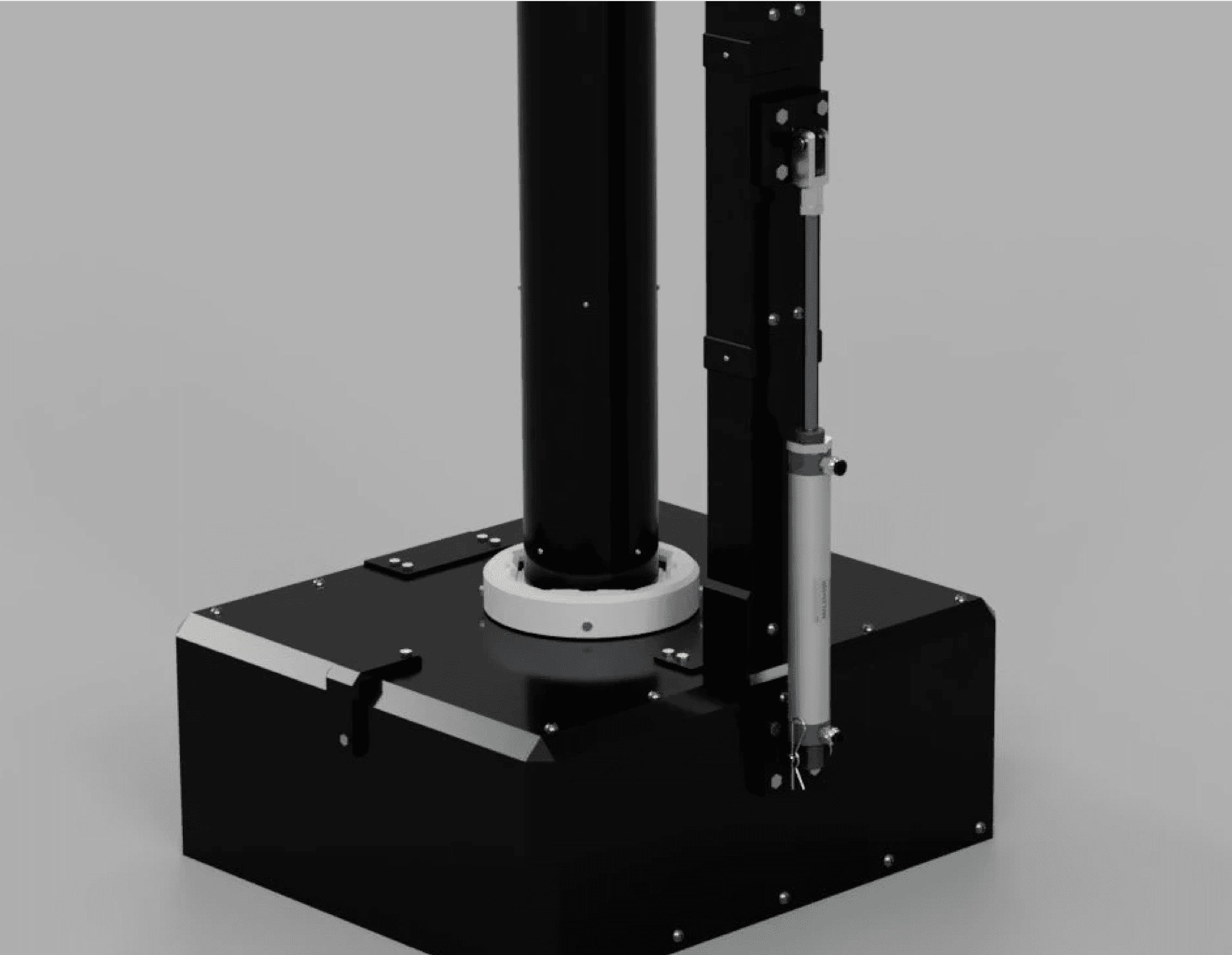
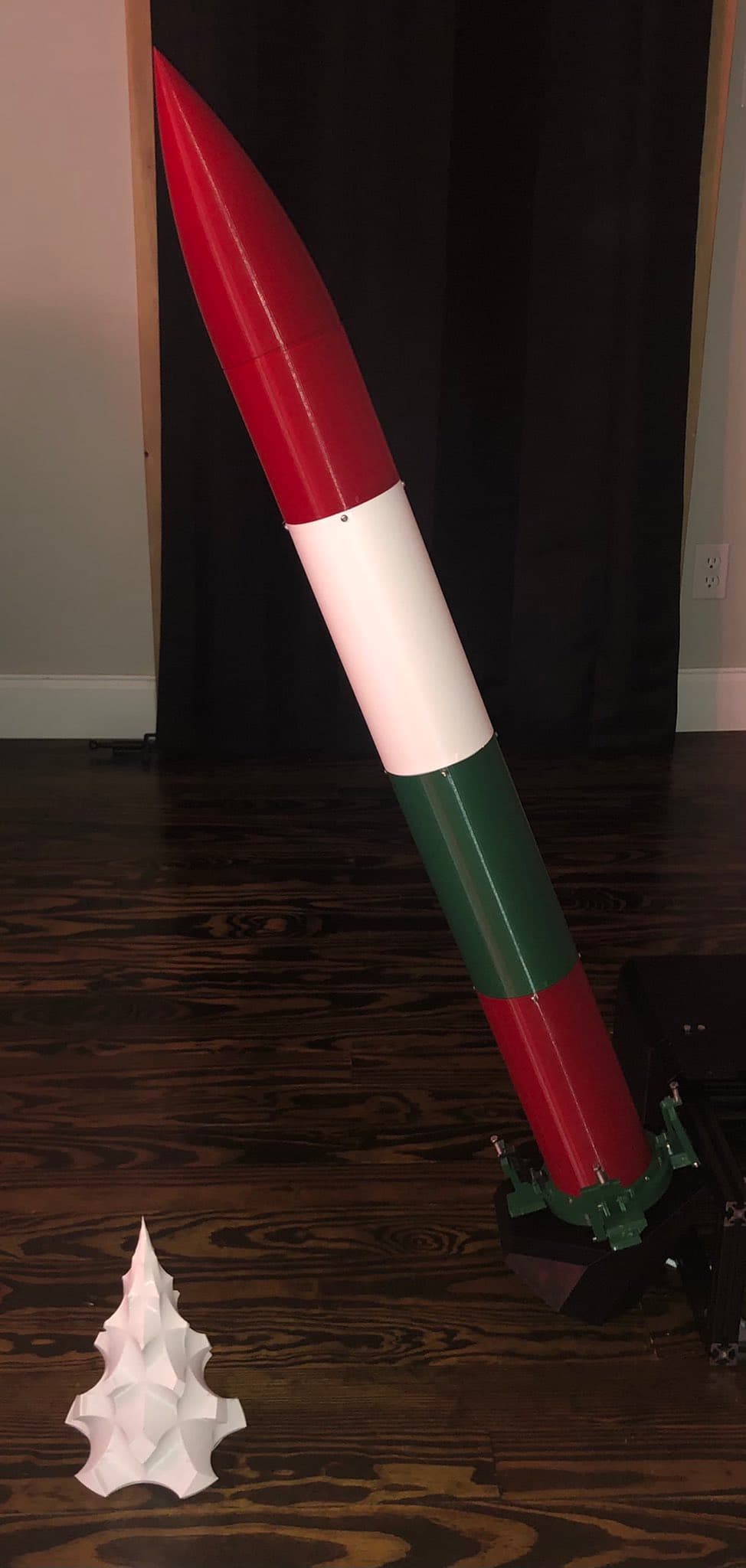
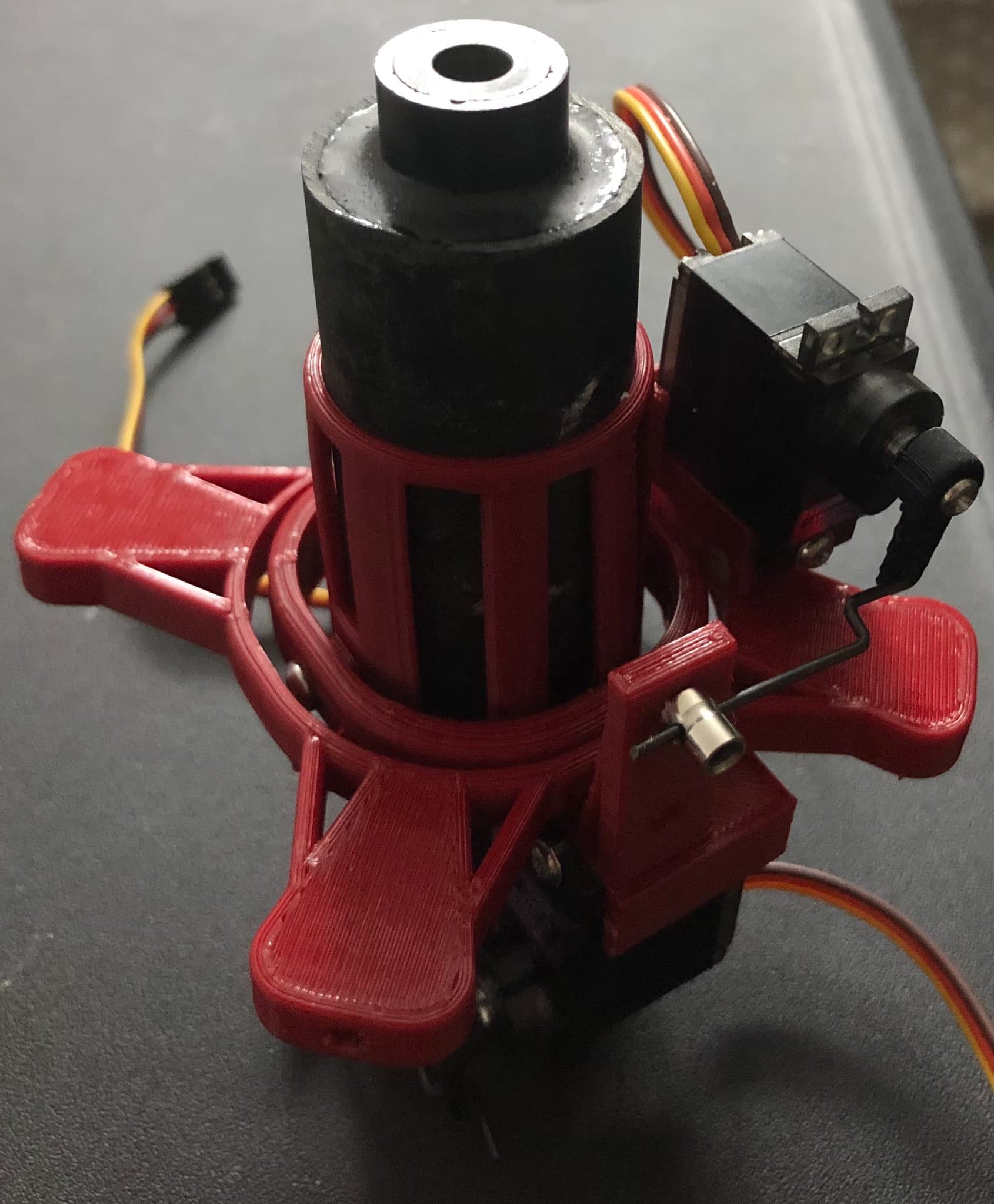
TVC rocket and extruded-aluminum launch tower with a seating pedestal and catch arms that hold and release the vehicle. Roughly 80% of components are 3D printed in PLA+ for rapid iteration and manufacturability, keeping the vehicle light. My pedestal-and-catch-arms concept predates SpaceX's use of it on Starship.
Test Stand


Static-fire stand with 80 Hz load-cell thrust logging, Teensy control board, and a live thrust-curve GUI.
Project Boom
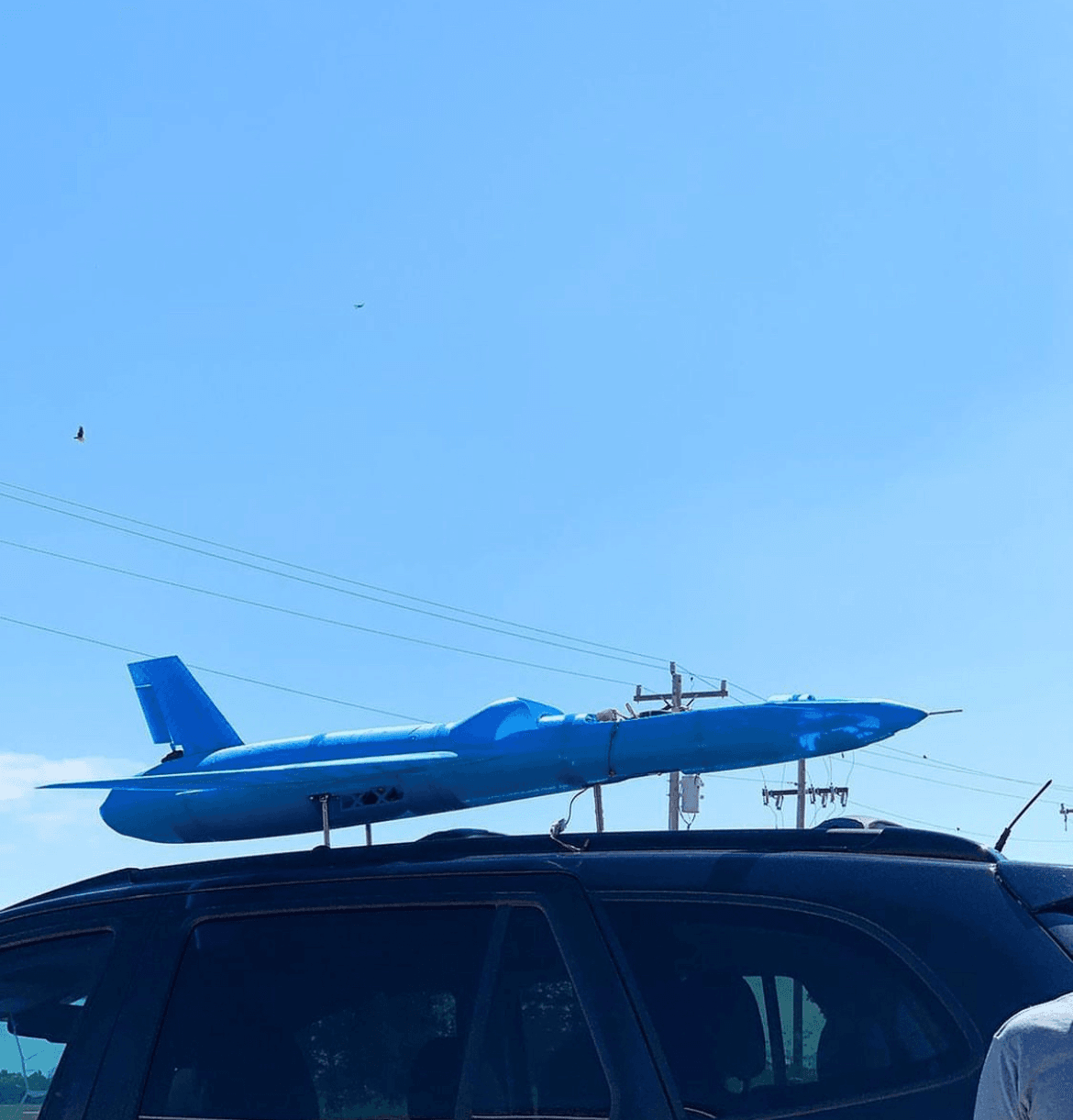
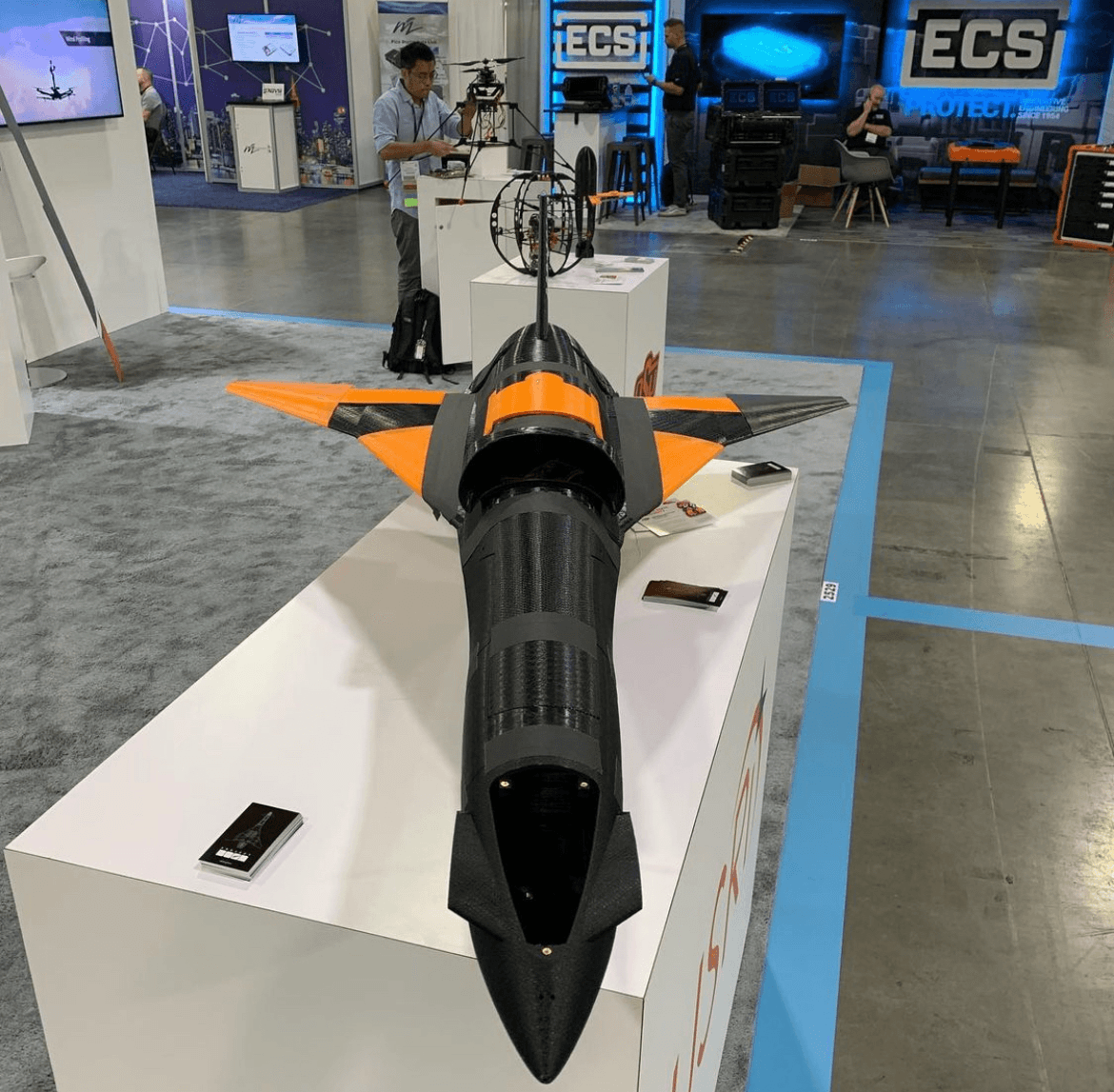
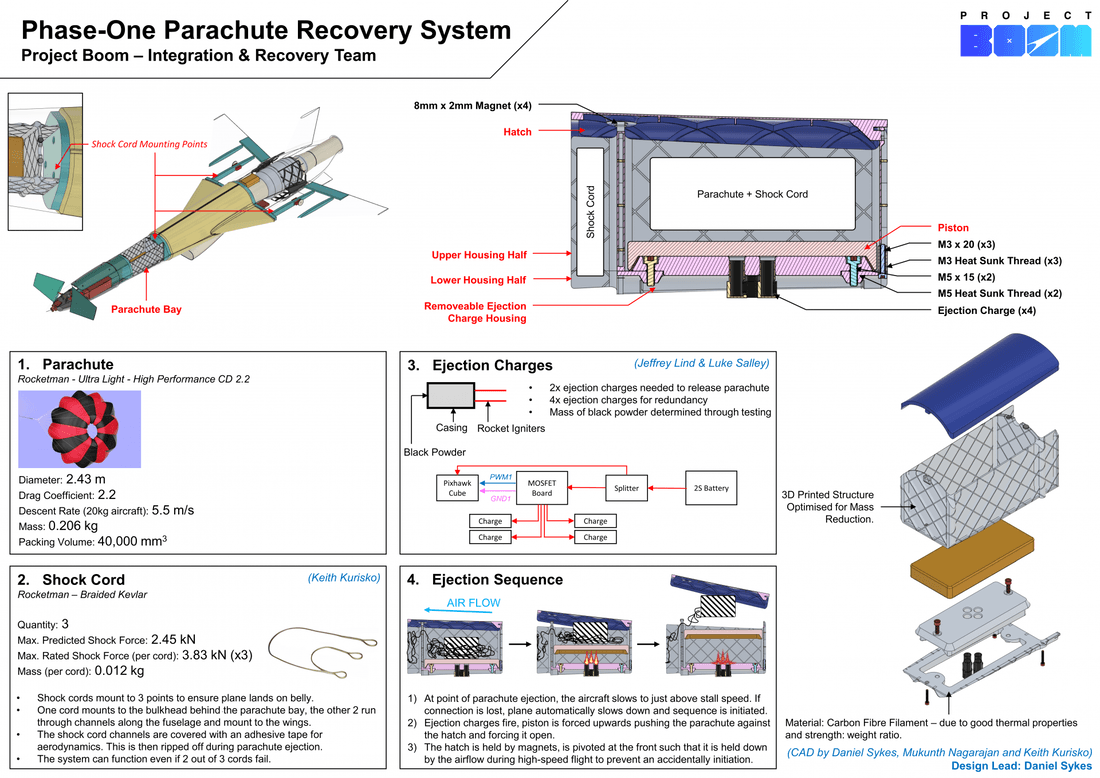
Student aircraft program aimed at supersonic flight, focused on airframe, avionics, and recovery. As CAD and Integration Lead I cut the avionics bay weight by 40% and the parachute ejection system cost by 70%. theprojectboom.org
We design and engineer the most advanced websites and software in plastic surgery. Across our site, client sites, and EstateSalesList.com, we've served 500k visitors at 100% uptime. We took one practice to 6x traffic and 2x leads, and ranked another #1 for 15 high-revenue keywords within weeks of launch.
aestheticos.aiI built the directory where estate sale companies get found and buyers find sales worth driving to. Companies publish professional profiles and unlimited listings with photos, multi-day schedules, map locations, and service tags.
estatesaleslist.com
I left the graduate program to work on my companies, AestheticOS and EstateSalesList.com.
colorado.edu
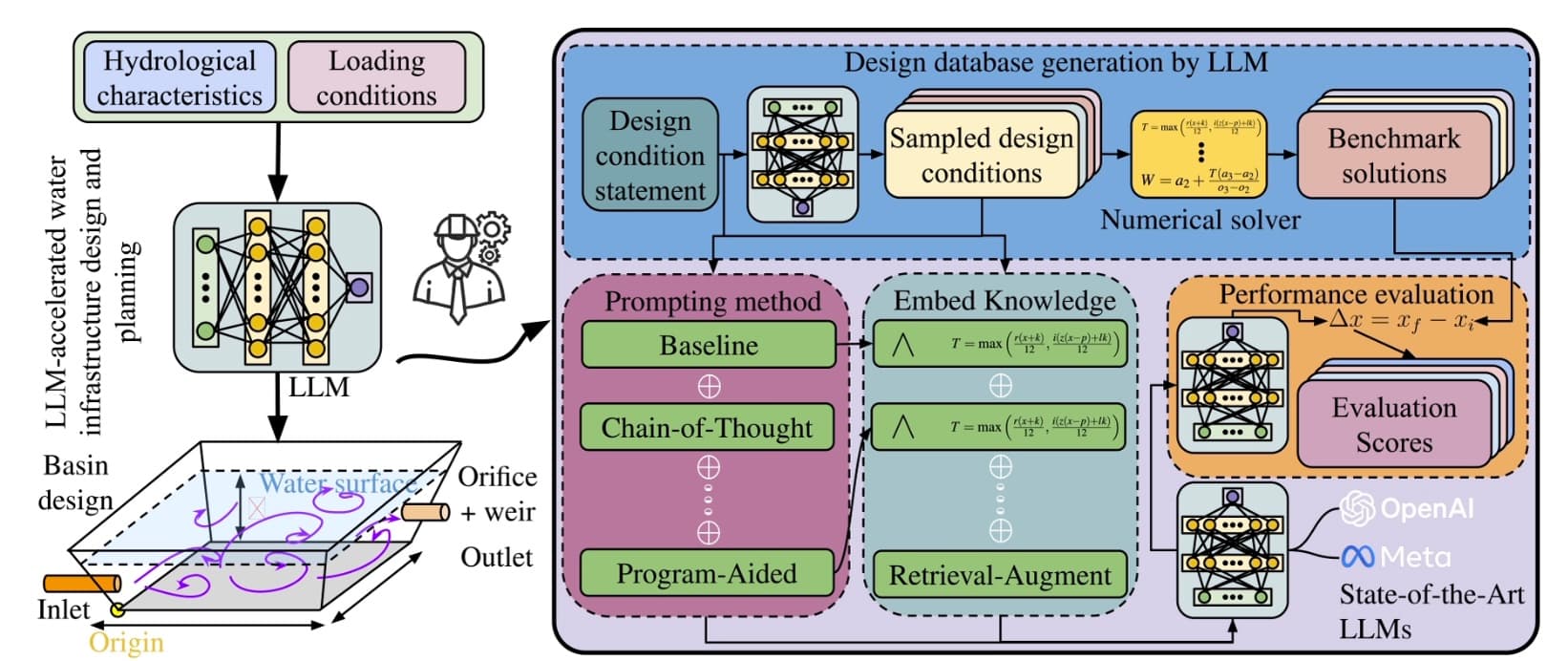
I applied large language models to engineering design and optimization, developed novel metrics for LLM reasoning, and used machine learning to overhaul cost estimation. I designed hyperefficient nanobubble generators for wastewater treatment with CFD, additive manufacturing, and computer vision, and won a $2.5m research grant. I started in fluid-structure interaction, modeling flexible Wells turbine blades for wave energy conversion in OpenFOAM. I presented at EURēCA 2024, CEE Seminar 2024 at UTK, and EWRI Congress 2025.
psilab.utk.eduOne year of study in the Chancellor's Honors Program with a 3.82 GPA, focused on rigorous proof-based mathematics. I optimized my path by skipping the rest of undergrad and going straight into the MS-CS program at CU Boulder.
utk.edu
I moved the plant's auditing and production workflows off spreadsheets onto an integrated Power Apps, Lists, and Power BI stack, saving about $10,000 in reporting hours a year. My automated ordering system reduced the operation to a single employee, saving another $8,500 a year. I also built an AI SQL querying and analysis tool in Python and audited about 1,200 parts in our Bill of Materials database.
plastiexportsusa.com
I led a three-person team producing the weekly broadcast service, running camera, audio, and visual operations and coordinating special events end to end.
erwinfirst.orgI started as a courtesy clerk and was promoted to cashier within six months, taking on higher-complexity customer service, employee training, and register operation.
foodcity.com
I graduated 1.5 years early with a 4.20 GPA and a 33 ACT. I played bassoon, snare drum, and quad drums in marching and concert band for six years.
unicoischools.comI worked on a jet turbine test stand, avionics placement, and parachute ejection systems, then was promoted to lead the CAD and integration teams. I cut the avionics bay weight by 40% and the parachute ejection system cost by 70%.
theprojectboom.org